
Don’t Go to Court
A common and distressing outcome for people who are in recovery from chronic childhood trauma is the sense that we have a hard time feeling confident about our interpretations of own experiences without validation from someone else. For example, maybe we had to give a presentation to a group of people about a topic in which we have experience, or perhaps we are assigned some kind of project or piece of work to complete that we know how to do, but we might feel very anxious about our performance afterwards and, despite our experience and capability, have a hard time believing that we did a good job without reassurance from the people around us that we were successful (and even then maybe still doubt it!).

How to Apologize
Why do some apologies feel so hollow? Sometimes looking at the extreme end of issues helps make sense of why there is confusion in the middle. There is a moving scene in the 2018 Australian TV series, Mr Inbetween, where a man whose daughter was murdered many years ago confronts the man who murdered her. He simply says "do you know the pain that you've caused?" and begins to walk away. The murderer struggles as he watches him walk away, and then blurts out, "I'm sorry". It rings hollow exactly because, as sincere as it may be in the moment, there is no way for him to really experience the question - the pain is so enormous and personal that, even if he tried, there would be no way for him to really carry it. The apology is empty because it is empty of any real experience or understanding.
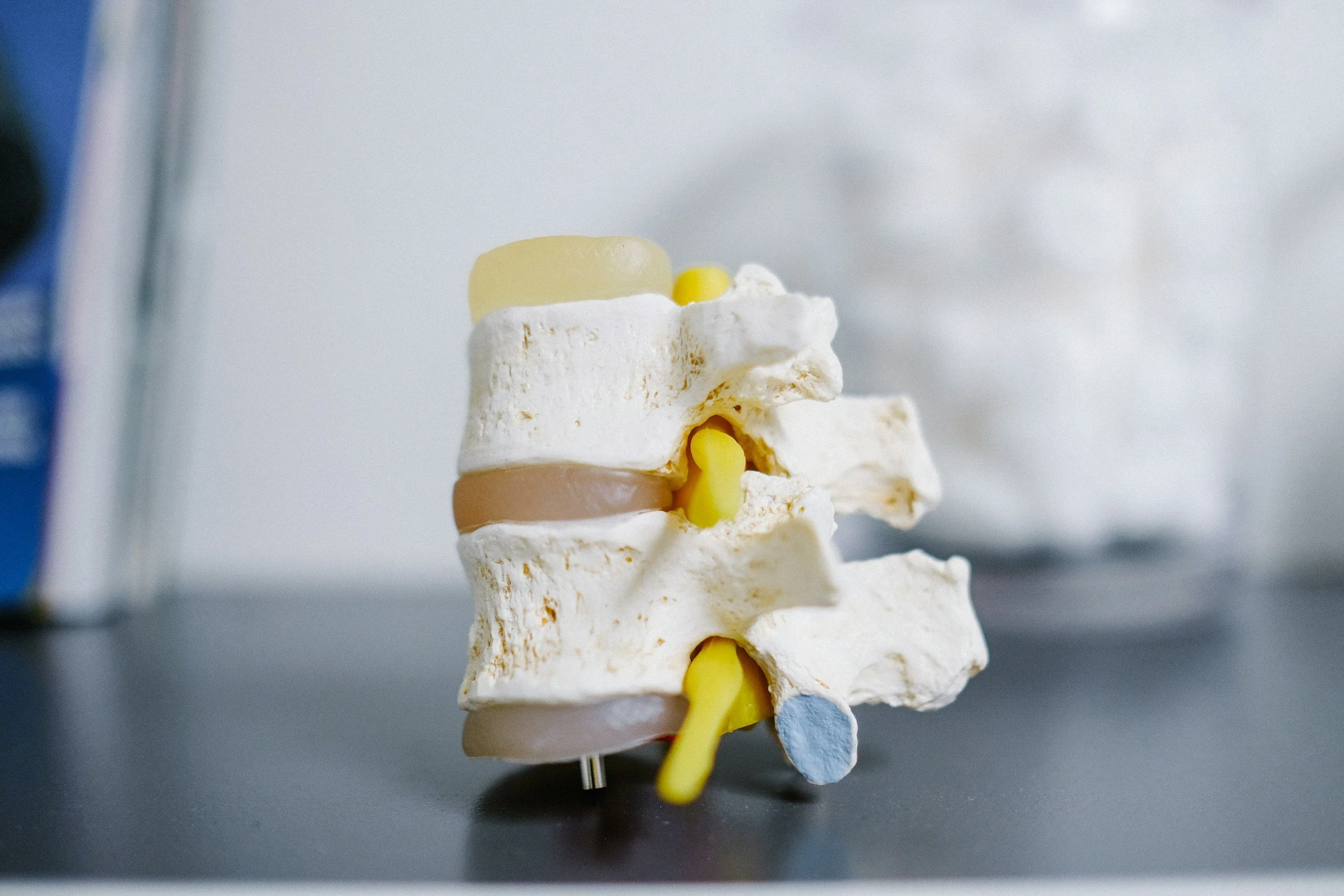
How to Grow a Backbone
“How do I grow a backbone? I tend to say yes to everything and everyone. Then I get taken advantage of and angry at myself. It happens at work a lot, not being compensated for things that I'm spending money on or asked to do some extra jobs that cause extra work and to lose focus on my actual work… When I spoke up most recently, I got hostility, a long and loud argument about why it's impossible. That becomes scary, i HATE confrontation and disappointing people. I can't quit, I need to be heard and understood.”

Narcissism Is Not Who You Are
I learned a very interesting and useful perspective on narcissism recently: narcissism is not who a person is, and is not something people are born with, but is instead a set of tools. Tools like blame-shifting, grandiosity, admiration-seeking, manipulation and entitlement.
This raises an important question, if narcissism is actually a set of tools, then what is the problem that the tools have been developed to cope with?

Self Care is a Revolutionary Act for Child Trauma Survivors
For adult survivors of neglectful, abusive or otherwise harmful parenting, one of the messages we likely received in our childhood experience is that our feelings and needs do not matter.